
Natural Gemstones
Understanding Natural Gemstones and Their Timeless Appeal
Natural gemstones are minerals or organic materials formed deep within the Earth over millions of years through natural geological processes. Their rarity, beauty, durability, and historical significance make them highly desirable across cultures and generations. Unlike synthetic stones, natural gemstones carry unique inclusions and characteristics that enhance their individuality and authenticity.
From ancient civilizations to modern fine jewellery houses, gemstones have symbolized wealth, power, protection, and love. Today, they are equally valued for aesthetic beauty, spiritual beliefs, and financial investment potential. Popular natural gemstones include diamonds, rubies, sapphires, emeralds, and many rare collector stones.
Key features that define natural gemstones include:
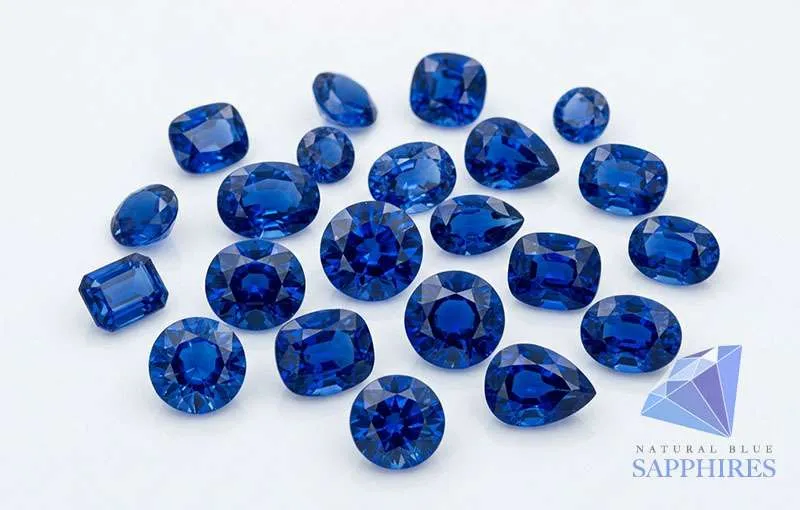
- Formation without human intervention
- Physical durability suitable for jewellery
- Distinct color, clarity, and crystal structure
- Long-term value retention
As sustainability and ethical sourcing gain importance, consumers are increasingly seeking responsibly mined natural gemstones, reinforcing their relevance in the modern market.
Where Can You Find Natural Gemstones Today?
Natural gemstones are found in specific geological environments across the globe. Their formation depends on factors such as heat, pressure, and mineral composition, making certain regions famous for producing high-quality stones.
Major sources of natural gemstones include:
- Africa: Diamonds (Botswana, South Africa), Emeralds (Zambia), Tanzanite (Tanzania)
- Asia: Rubies and Sapphires (Myanmar, Sri Lanka, Thailand)
- South America: Emeralds (Colombia), Amethyst (Brazil)
- Australia: Opals and sapphires
- Russia: Diamonds and Alexandrite
Beyond mining, gemstones are commonly found through:
- Licensed gemstone dealers and wholesalers
- Jewellery exhibitions and trade shows
- Auction houses specializing in precious stones
- Certified online gemstone platforms
Reputable sourcing is essential to ensure legal, ethical, and authentic gemstones, especially for high-value purchases.
How to Buy Natural Gemstones with Confidence
Buying natural gemstones requires knowledge, verification, and trust in the seller. Whether purchasing for jewellery or investment, understanding the fundamentals protects buyers from overpaying or acquiring treated or synthetic stones.
Before purchasing, consider the Four Cs:
- Color: Hue, tone, and saturation significantly affect value
- Clarity: Natural inclusions are expected but should not reduce durability
- Cut: Precision cutting enhances brilliance and shape
- Carat Weight: Larger stones are rarer and more valuable
Best practices when buying gemstones include:
- Requesting independent laboratory certification (GIA, IGI, SSEF, GRS)
- Confirming disclosure of treatments or enhancements
- Comparing prices across reputable sellers
- Consulting a qualified gemologist for high-value stones
Buying gemstones should be viewed as a long-term decision, emphasizing quality, authenticity, and documentation.
Modern Methods to Identify and Authenticate Gemstones
Advancements in gemology have greatly improved the accuracy of gemstone identification. Today, both professionals and informed buyers can distinguish natural gemstones from synthetic or imitation stones using scientific techniques.
Common gemstone identification methods include:
- Visual examination: Checking inclusions, growth patterns, and surface features
- Refractive index testing: Measures how light travels through the stone
- Spectroscopy: Identifies chemical composition through light absorption
- Microscopic analysis: Reveals natural crystal inclusions and flaws
- UV fluorescence testing: Reactions differ between natural and synthetic stones
Certified gemological laboratories use advanced equipment to produce reports verifying:
- Natural origin
- Geographic source (in some cases)
- Presence of treatments
- Overall quality grading
For buyers, certification is the most reliable safeguard against misrepresentation in today’s gemstone market.
Jewellery Types Best Suited for Natural Gemstones
Natural gemstones are widely used across various jewellery forms, each requiring appropriate settings to maximize beauty and durability. The hardness of the gemstone influences how it should be worn and mounted.
Popular gemstone jewellery types include:
- Rings: Engagement, cocktail, and statement rings
- Necklaces: Pendants, solitaire stones, and beaded gemstone strands
- Earrings: Studs, drops, and chandelier styles
- Bracelets: Tennis bracelets and custom gemstone bangles
Metal choices often paired with gemstones:
- Gold (yellow, white, rose)
- Platinum for high-value stones
- Sterling silver for semi-precious gemstones
Jewellery designers consider cut, color contrast, wearability, and gemstone hardness to ensure longevity and comfort, especially for everyday pieces.
Most Valuable and Rare Gemstones: Value and Future Investment
Certain gemstones are prized not only for beauty but also for rarity and investment potential. Limited supply, increasing global demand, and mine depletion significantly impact their long-term value.
Some of the most valuable and rare natural gemstones include:
- Pink and Blue Diamonds
- Natural Burmese Ruby (Pigeon Blood)
- Colombian Emeralds
- Alexandrite
- Paraíba Tourmaline
- Kashmir Sapphire
Investment value depends on:
- Natural, untreated condition
- Size and color intensity
- Proven origin and certification
- Market scarcity and demand
As tangible assets, high-quality natural gemstones offer diversification, inflation protection, and portability. With growing global wealth and limited new discoveries, expert analysts predict continued appreciation in premium gemstones, making them a compelling long-term investment choice.