
Sapphires and the Hidden World of Diesel Geuda
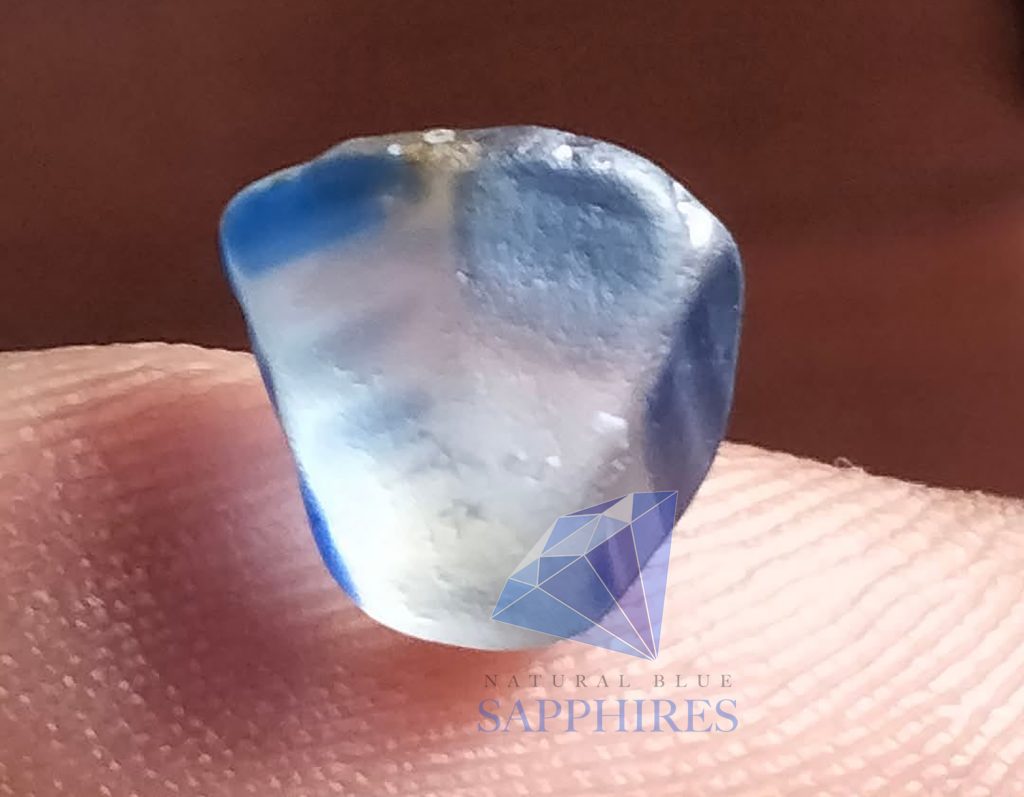
Gemstone lovers often admire the brilliance of a finished sapphire, but few understand the complex journey that transforms a cloudy, pale stone into a vibrant blue treasure. Diesel Geuda is one of the most fascinating materials in this journey a raw corundum variety that appears unremarkable at first glance yet holds extraordinary potential. In gemstone markets across Sri Lanka and Southeast Asia, Diesel Geuda is recognized as a transitional material: not quite sapphire, not quite worthless, but a stone waiting for its moment of transformation. The images you shared showing milky, translucent stones with soft blue or yellowish patches perfectly illustrate the raw beauty and mystery of this material. For gemstone bloggers, Diesel Geuda offers a rich topic that blends geology, trade knowledge, and the art of heat treatment.
How Diesel Geuda Forms and Why It Looks So Different
Diesel Geuda is part of the broader Geuda family, a group of corundum stones that naturally form with internal cloudiness, titanium clusters, and uneven color zoning. What makes Diesel Geuda unique is its distinct yellowish or whitish patches, depending on the region and mining area. The first type commonly called yellow diesel shows soft yellow tones when held under sunlight. Traders often place the stone on the back of their hand to check this subtle color shift. These yellow “moles” or patches are early indicators of how the stone will respond to heat.
The second type known as white diesel looks completely different. Instead of yellow, it shows a milky, flour‑like whiteness, similar to a mixture of water and wheat left to settle. Under strong lighting, this type may appear slightly bluish, but never pure white. The images you provided, especially the close-up of the bluish‑white stone, are excellent examples of this second category. Both types contain tiny internal structures sometimes called “soldiers” that scatter light and give the stone its cloudy appearance. These structures are the key to Diesel Geuda’s transformation potential.
Light Testing: The Most Important Skill for Identifying Diesel Geuda
Gem traders rely heavily on light behavior to identify Diesel Geuda. Sunlight, LED torches, and transmitted light all reveal different aspects of the stone’s internal structure. Yellow diesel shows its color most clearly in natural sunlight, while white diesel reveals its character under a strong, focused beam. When a high‑intensity torch is shone through the stone, the internal clusters become visible, helping experts determine whether the stone is suitable for heat treatment.
A common misconception is that white diesel is simply low‑grade material. In reality, its slightly bluish, diluted tone under transmitted light is a strong indicator that it can develop into Royal Blue after heating. This is why experienced gem handlers always test Diesel Geuda with multiple light sources. The images you shared showing both the milky white and the translucent blue‑white stones are perfect visual guides for gemstone bloggers explaining this identification process.
The Heat‑Treatment Transformation: From Cloudy Stone to Blue Sapphire
The true magic of Diesel Geuda happens during heat treatment, a controlled process that activates the titanium and iron within the stone. Yellow diesel typically transforms into a light or medium blue sapphire, while white diesel has the potential to become a deep, vivid Royal Blue Sapphires. During heating, the internal “moles” dissolve or redistribute, creating a more even color and improved clarity. This transformation is not accidental; it requires precise temperatures, oxygen control, and expert timing.
For gemstone blogs, this transformation story is a powerful narrative. It highlights the science behind sapphire coloration, the skill of heat‑treatment specialists, and the economic importance of Geuda in the global gemstone trade. The stones in your images showing their pre‑treatment appearance help readers visualize the dramatic before and‑after journey that makes Diesel Geuda so valuable.
Why Diesel Geuda Matters to Collectors, Traders, and Gem Enthusiasts
Diesel Geuda is more than just a raw material it is a cornerstone of the modern sapphire industry. Its ability to transform into high‑quality blue sapphires makes it essential for cutters, traders, and heat‑treatment experts. For collectors, understanding Diesel Geuda provides insight into how many sapphires on the market achieve their color. For bloggers, it offers a rich topic that blends science, trade knowledge, and visual storytelling.
The key characteristics yellow patches, milky white tones, internal clusters, and unique light behavior make Diesel Geuda a fascinating subject for educational content. The images you shared serve as excellent examples for readers learning how to identify Geuda in its natural state.